

Our Mission
Reimagining San Francisco increases biodiversity and access to nature across the City through collaboration, community engagement, and advocacy.
What We Do
We are a citywide alliance of organizations and individuals that acts collectively to improve the ecological health of San Francisco and equitably distribute the benefits of local nature to all.
Desired Outcomes:
By 2030, 30% of San Francisco is biodiverse green space.
A comprehensive network of biodiverse corridors provides free movement for local wildlife and people.
Natural lands management is fully resourced for stewardship, conservation, restoration, and the ongoing addition of new lands.
Everyone in San Francisco has easy access to nearby nature.
All neighborhoods have the resources, know-how, and City support to promote, create, restore, and steward biodiverse nature in their communities.
Creating biodiverse landscapes in the built environment becomes routine.
Objective & Strategies
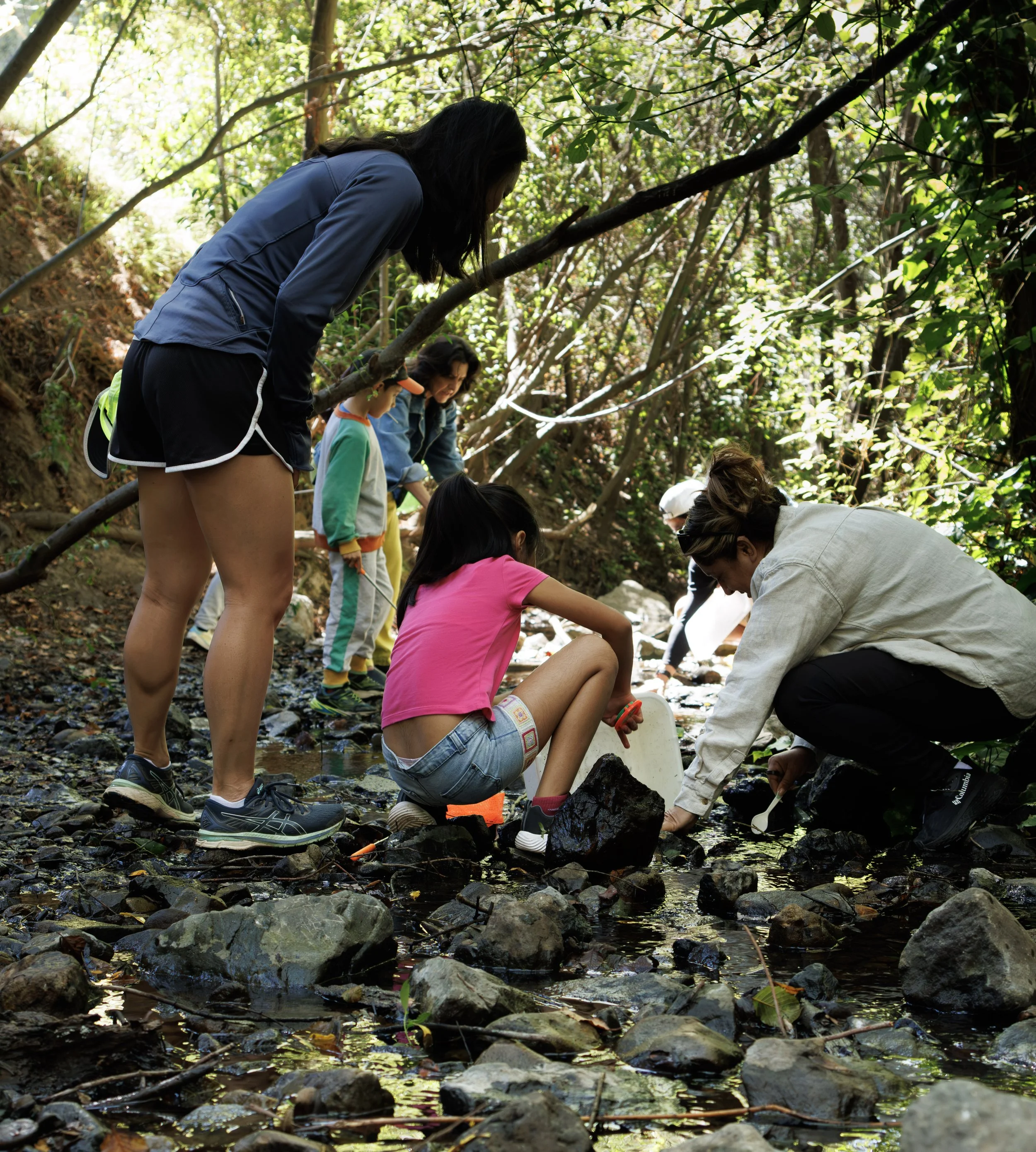
Equitable Nature Access
Prioritize climate vulnerable neighborhoods to ensure everyone has daily access to biodiverse nature. Co-design projects and implementation through sustained community and Tribal partnerships.
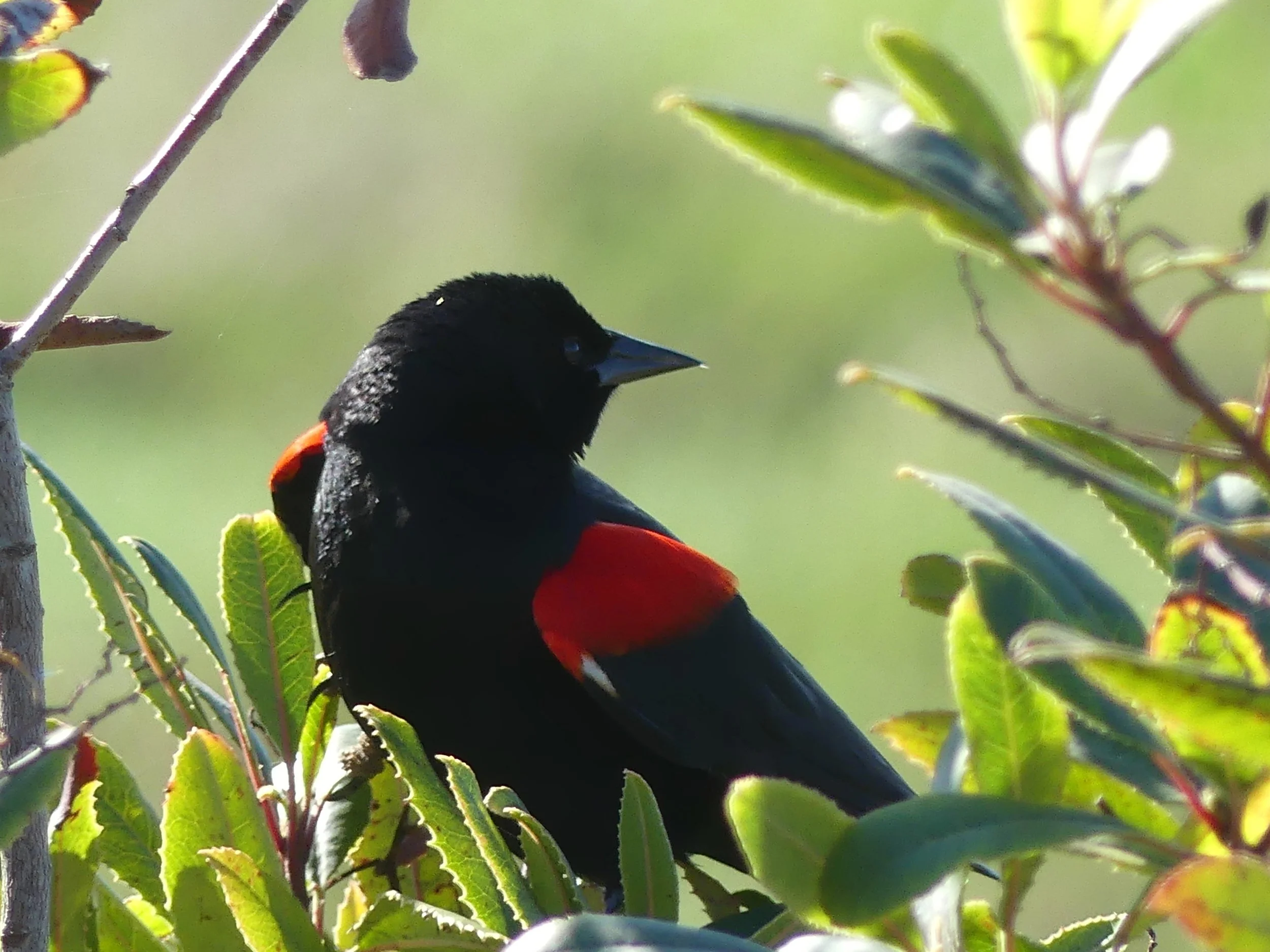
Biodiversity & Ecological Resilience
Expand native habitats and biodiverse landscapes, including culturally significant places, so that by 2030 30-40% of San Francisco is permeable (absorbs rain), and 30% of that is functioning as high-quality wildlife habitat.

Culture of Stewardship
Use culturally rooted activities, Tribal stewardship, storytelling, public events, training and visible projects to cultivate lasting relationships with urban nature, inspire participation and behavior change, and build broad public support and sustainable long-term stewardship.
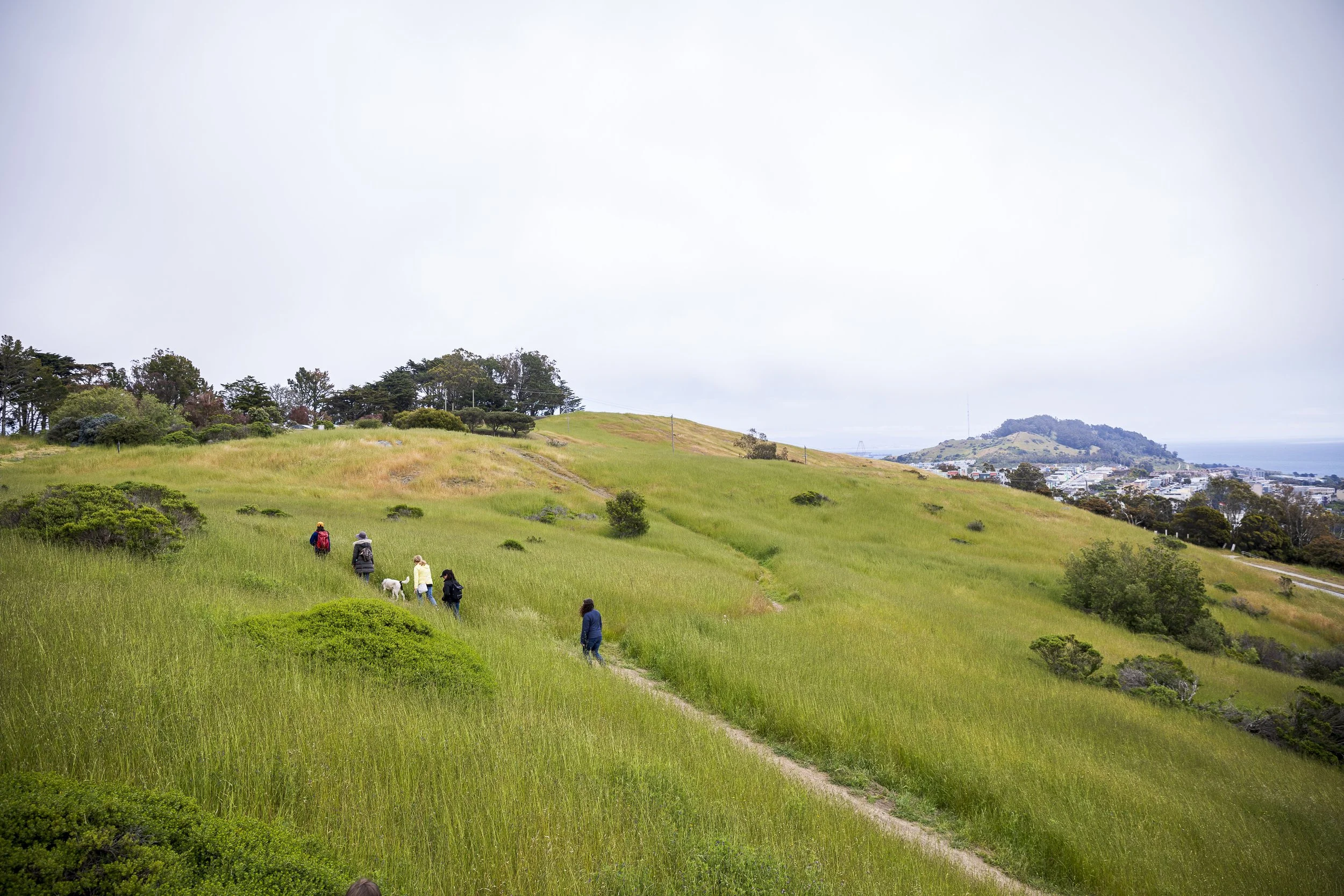
Ecological Corridors
Connect parks, natural areas, biodiverse landscapes, community gardens and other open spaces in a citywide network of ecological corridors. These biodiverse corridors will provide free movement for local wildlife and people.

Policy & Planning
Advocate for Tribal land stewardship, nature-based policymaking, funding, and interagency coordination to be routine, so that natural resources management is sufficiently and continuously resourced citywide.

Biodiversity Monitoring
Create shared mapping, metrics, and reporting to track ecological conditions, areas and plants of cultural significance, access to nature, project performance, and progress toward citywide goals.
2026-2028 PRIORITIES
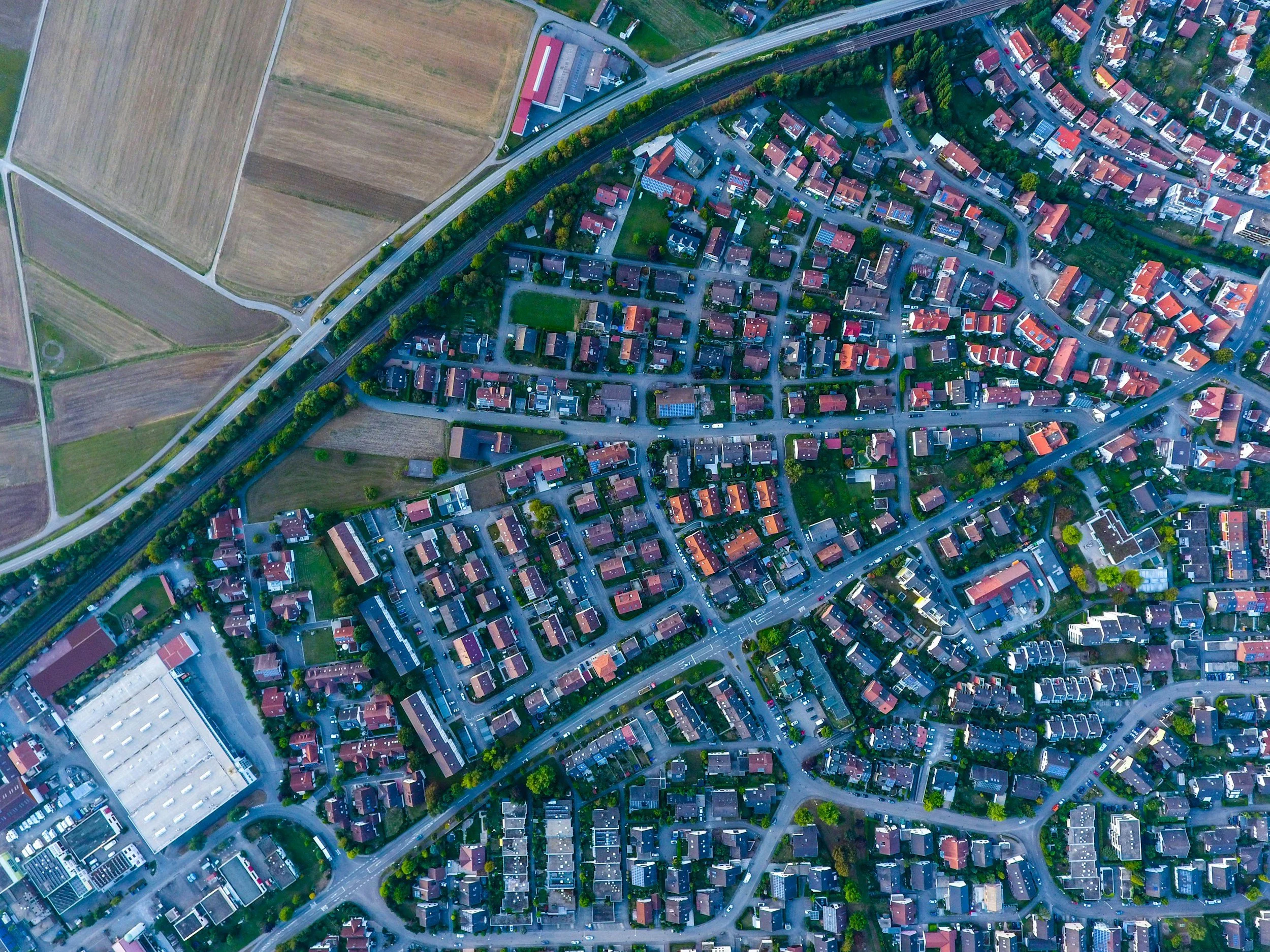
1. Mapping biodiversity, access to nature, and RSF member projects.

2. Funding RSF members whose projects link wildlife corridors and increase nature access for people.
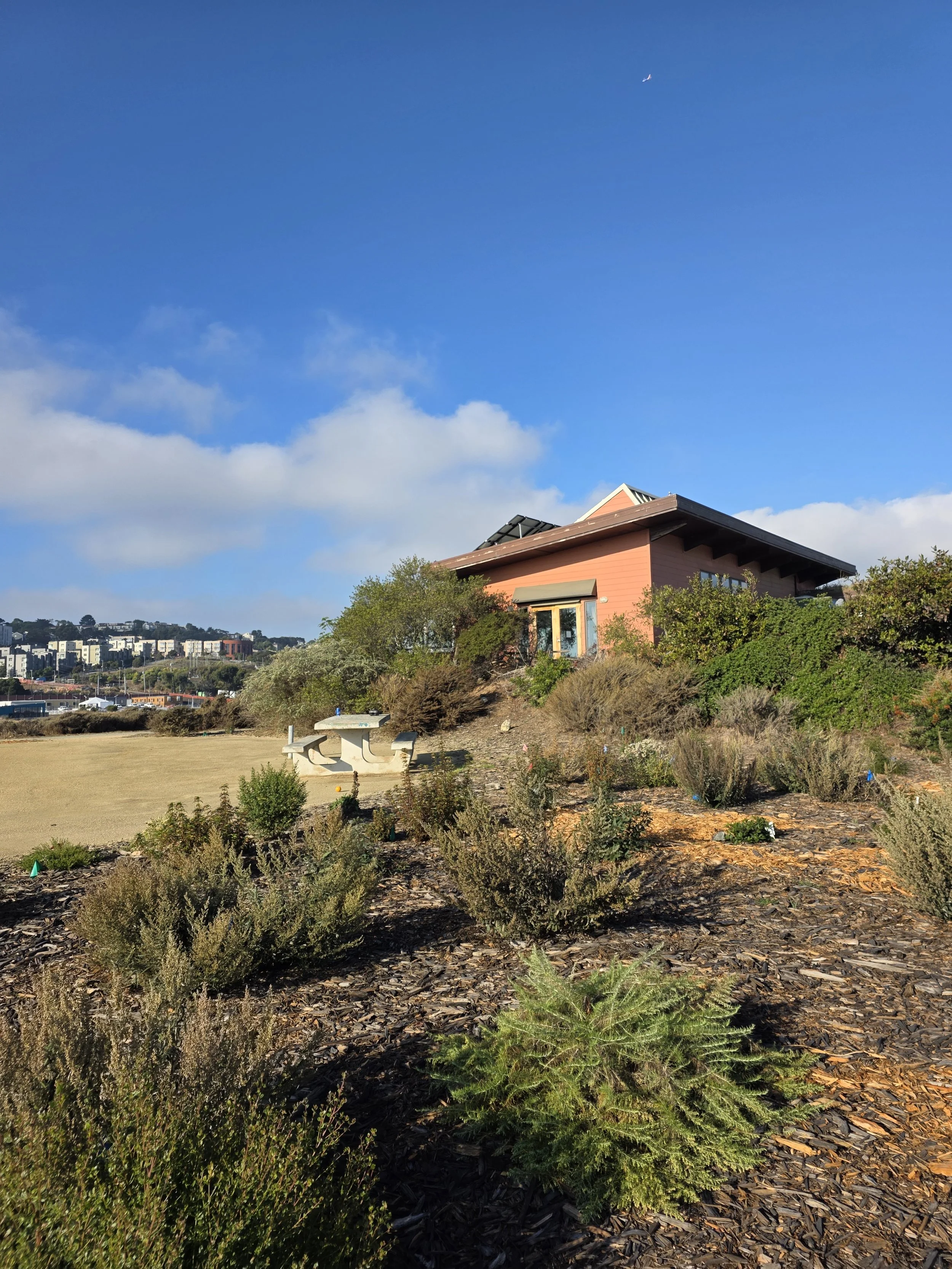
3. Supporting public land restoration and stewardship..

4. Convening RSF members to increase networking and collaboration.


